
What Changed, What Didn’t, and What Local Families Need to Know
As Tax Season 2026 approaches, many Southwest Oklahoma families are hearing about federal tax changes passed in July 2025 — but confusion remains about what those changes actually mean at the local level.
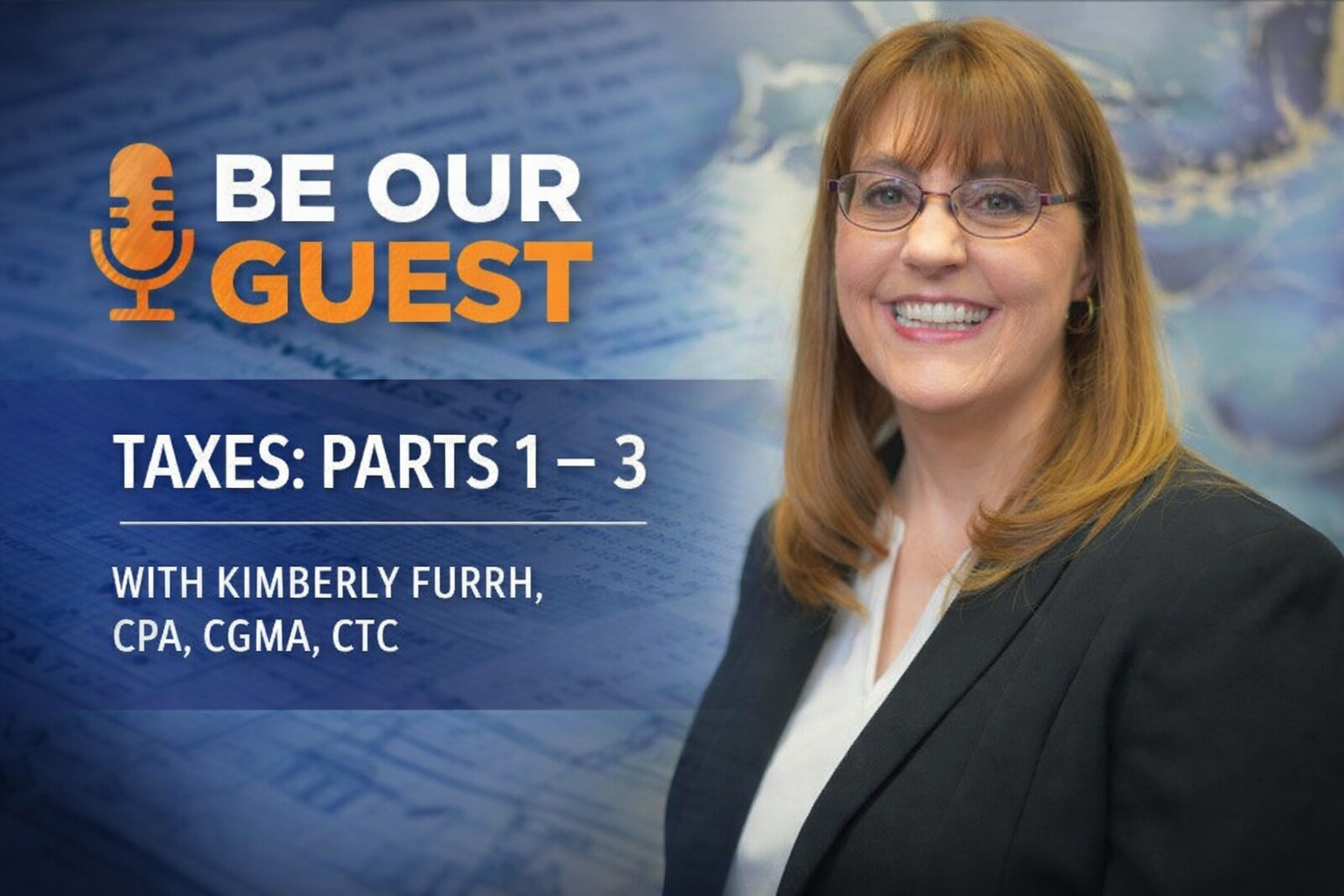
To separate speculation from reality, Lawton Town Crier sat down with Kimberly Furrh, CPA, owner of Furrh Accounting in Lawton, Oklahoma. With 28 years of experience and licenses in both Oklahoma and Texas, Furrh works daily with individuals, families, and businesses across Texoma.
For transparency, she is also my CPA, and members of my family use her firm. This conversation is general informational content only and does not constitute personalized tax advice. Individual circumstances vary. Always consult your own qualified professional.
Here’s what Lawton residents should understand heading into filing season.
Federal Tax Law Changes (July 2025)
Midyear federal tax changes can create confusion because payroll systems and reporting forms are often already set for the year. According to Furrh, that is exactly what happened in 2025.
“When Congress makes changes midyear,” she explained, “employers can’t always reprogram payroll systems immediately. That creates reporting complications.”
Two of the most talked-about provisions involve overtime pay and qualified tips.
Overtime Pay – Is It Really Tax-Free?
One major provision in the July 2025 federal legislation involves potential tax relief on overtime pay for households below certain income thresholds.
However, there’s a key issue: most W-2 forms were not updated midyear to clearly separate overtime earnings.
“There was no mandate requiring employers to break out overtime separately on the W-2,” Furrh said. “If it’s not separated on the form, you may need your final pay stub to verify how much overtime you actually earned.”
Her advice:
Keep your pay stubs this year. They may be critical documentation.
Qualified Tips & W-2 Reporting Issues
Workers in tip-based industries face a similar situation.
“Sometimes tips are fully reported on the W-2. Sometimes they aren’t,” Furrh said. “Again, reviewing your final pay stub is important.”
The takeaway for Lawton workers in restaurants, hospitality, and other service industries: don’t assume the W-2 tells the full story. Documentation matters.
Child Tax Credit Update 2026
The Child Tax Credit also saw changes.
Prior to the July legislation:
- $2,000 per qualifying child
- $500 for non-child dependents (such as adult dependents age 17+)
Under the updated law, credit amounts increased, meaning many families may see larger refunds — assuming income and eligibility factors remain similar to prior years.
However, Furrh emphasized that each taxpayer’s situation is unique. Income thresholds and phaseouts still apply.
TurboTax vs. CPA: When It Matters
Tax software can work well for simple returns — particularly single W-2 earners without dependents or investment income.
But once complexity enters the picture, risks increase.
“If you start itemizing deductions, doing DoorDash, Uber, rental properties, retirement distributions — that’s when complexity kicks in,” Furrh explained. “Those programs are only as good as the answers you input.”
A 1099 worker who misclassifies income or misses deductible expenses could pay more than necessary — or trigger IRS scrutiny.
For gig workers and small business operators in Lawton, professional guidance may reduce risk.
Important Tax Deadlines 2026
A common misconception is that all tax documents must arrive by January 31.
That’s not entirely accurate.
While many forms are mailed by January 31:
- Certain investment forms may not arrive until February 15
- Some retirement and brokerage forms may not be finalized until March 15
Furrh recommends having documents submitted to your tax preparer by early March if possible.
“Most firms need three to five weeks to complete a return,” she noted. “The earlier you get in line, the better.”
Filing an Extension – What Most People Get Wrong
An extension is an extension of time to file — not an extension of time to pay.
To avoid penalties:
- You must pay at least 100% of last year’s tax liability or
- 90% of the current year’s estimated liability
Some taxpayers may benefit strategically from filing later in the year, particularly those in higher audit-risk categories such as cash-based businesses or rental property owners.
The IRS processes returns in filing order when selecting audits. Filing later can, in some circumstances, reduce statistical exposure.
That decision should always be discussed with a tax professional.
Understanding 1099 Forms
Unlike W-2 forms, which report employee wages, 1099 forms report non-employee income.
Common types include:
- 1099-NEC (Non-Employee Compensation — gig work, independent contractors)
- 1099-INT (Interest)
- 1099-DIV (Dividends)
- 1099-R (Retirement distributions)
- 1099-MISC (Miscellaneous income, rent, certain payments)
1099 income often carries different tax treatment — including potential self-employment taxes.
Oklahoma State Deadlines
For 2026, Oklahoma state filing deadlines align with the federal April 15 deadline for individuals.
However, business entities such as:
- Partnerships
- S-Corporations
- Certain LLCs
have a March 15 deadline.
In prior years, particularly during the COVID period, Oklahoma deadlines differed from federal ones — so taxpayers should verify annually.
Common Filing Mistakes
One of the most frequent issues Furrh sees?
Submitting returns before all documents are received.
“People want their refund quickly,” she said. “But if you file and later receive another document, you’ll need to amend your return.”
An amended return can delay processing and, if corrections increase tax liability, potentially add penalties or interest.
Her advice:
- Wait until you are confident you have all required documents.
- If something arrives late, amend promptly.
“If you don’t correct it,” she noted, “the IRS eventually will.”
The Bottom Line for Lawton Families
Tax Season 2026 brings real changes — particularly around overtime, tips, and credits — but it also brings familiar fundamentals:
Keep documentation.
Don’t rush incomplete filings.
Understand deadlines.
Know when complexity warrants professional help.
This conversation is general information only and does not constitute tax advice. Individual circumstances vary. Consult your own qualified tax professional regarding your specific situation.